
Why Moisture Is One of the Biggest Threats to Masonry in Michigan
Moisture can slowly weaken brick, mortar, and the structure beneath it over time. In Michigan, this process becomes even more aggressive because of freeze-thaw cycles throughout the year. Water enters small openings in the masonry, freezes during colder temperatures, expands, and then contracts again as temperatures rise.
This cycle repeats constantly throughout fall, winter, and spring. Over time, even small amounts of moisture intrusion can create serious structural problems.
Understanding what water damage is doing to your brick right now can help you catch issues early before repairs become more extensive.
How Water Gets Into Brick and Masonry
Brick may look solid from the outside, but masonry materials are naturally porous. Small amounts of water can enter through cracks, deteriorating mortar joints, or exposed surfaces.
As masonry ages, these openings become larger and allow even more moisture inside. Damaged mortar is one of the most common entry points. When mortar begins to crack or crumble, water can move deeper into the structure.
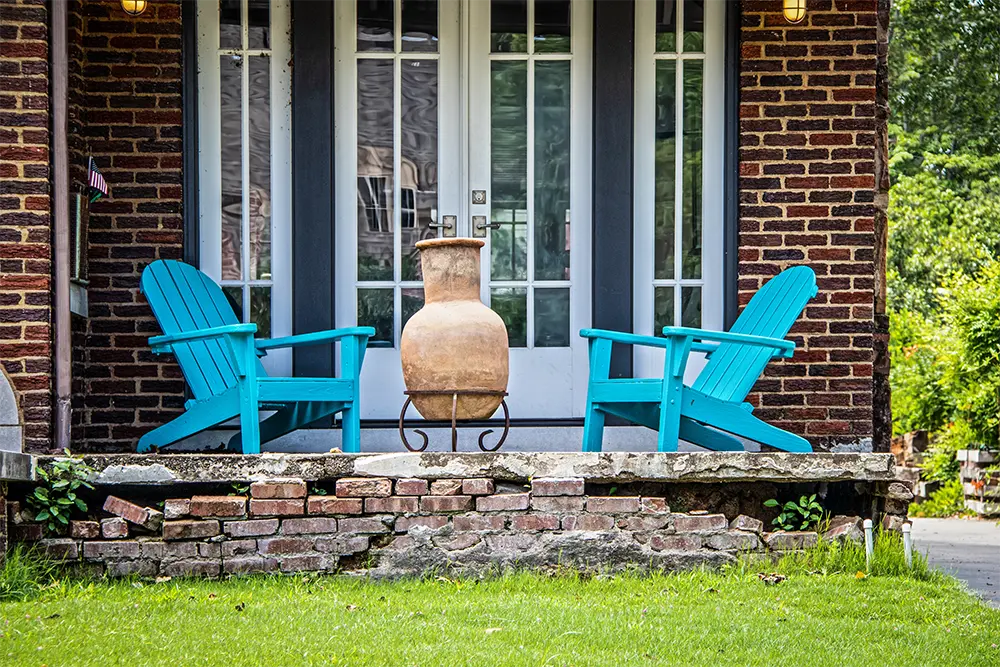
Poor drainage around the home can also contribute to the problem. Water collecting near porches, chimneys, walkways, or foundations increases moisture exposure and accelerates deterioration.
Roof leaks, missing chimney caps, and damaged flashing are other common sources of water intrusion that homeowners may not immediately notice.
The Freeze-Thaw Cycle Causes Expanding Damage
Once water enters brick and mortar, Michigan winters begin to create additional stress.
When temperatures drop below freezing, trapped moisture expands. This expansion creates internal pressure within the masonry. As the process repeats, bricks can begin cracking, separating, or weakening from the inside out.
The mortar joints holding the structure together also begin to deteriorate. Over time, this can compromise the stability of chimneys, porches, retaining walls, and other masonry features.
Even if the damage starts small, freeze-thaw movement allows moisture to penetrate deeper each season.
Signs Water Damage Is Already Affecting Your Brick
Many homeowners do not realize water damage is present until visible warning signs appear.
Some of the most common signs include:
- Cracked mortar joints
- Loose or shifting bricks
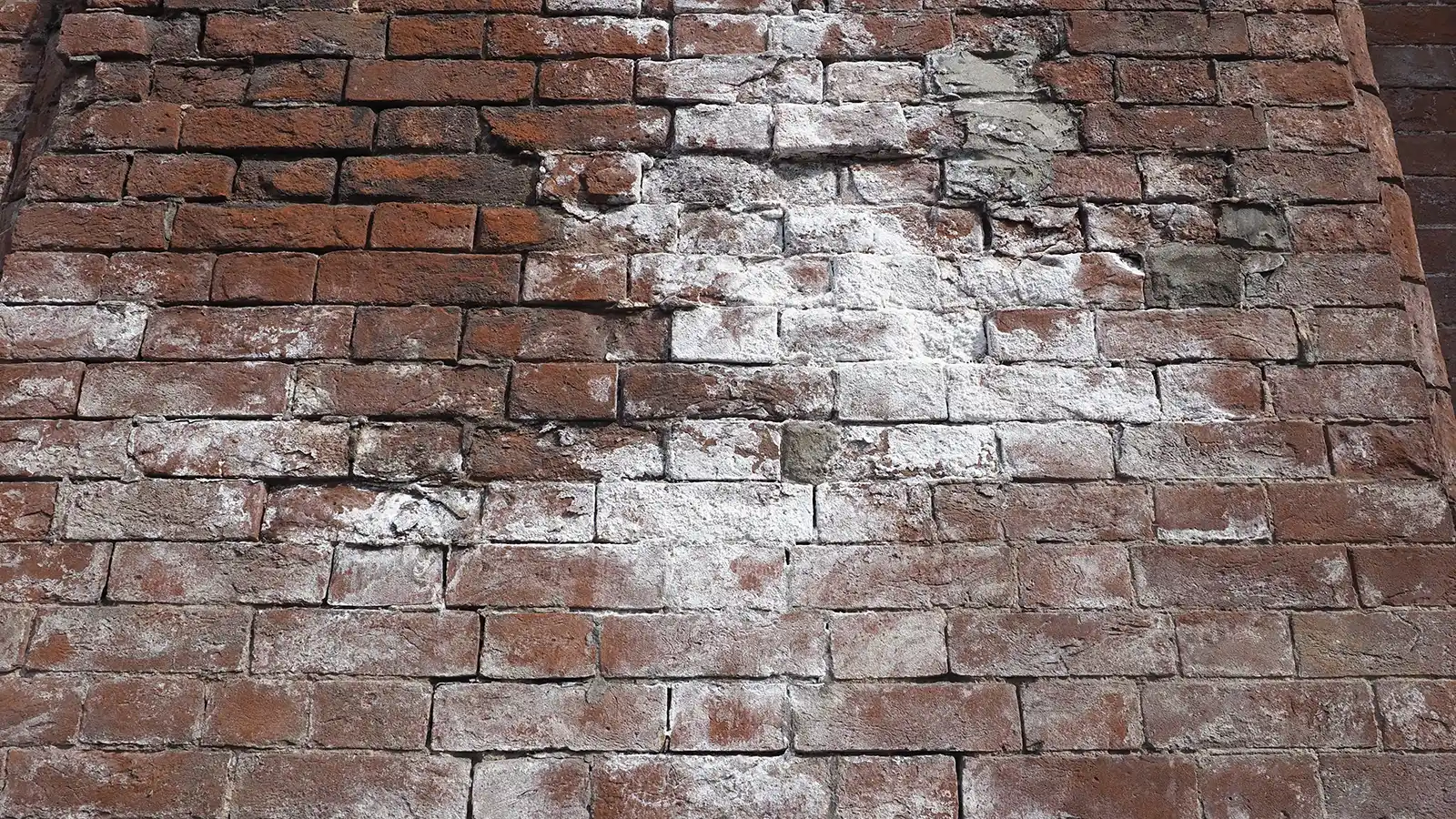
- White staining, known as efflorescence
- Brick surfaces flaking or peeling
- Bulging or leaning masonry walls
- Water stains near masonry structures
Efflorescence is especially common. This white powder forms when moisture moves through the brick and leaves mineral deposits behind after evaporation. While it may appear cosmetic, it often indicates ongoing moisture intrusion inside the masonry.
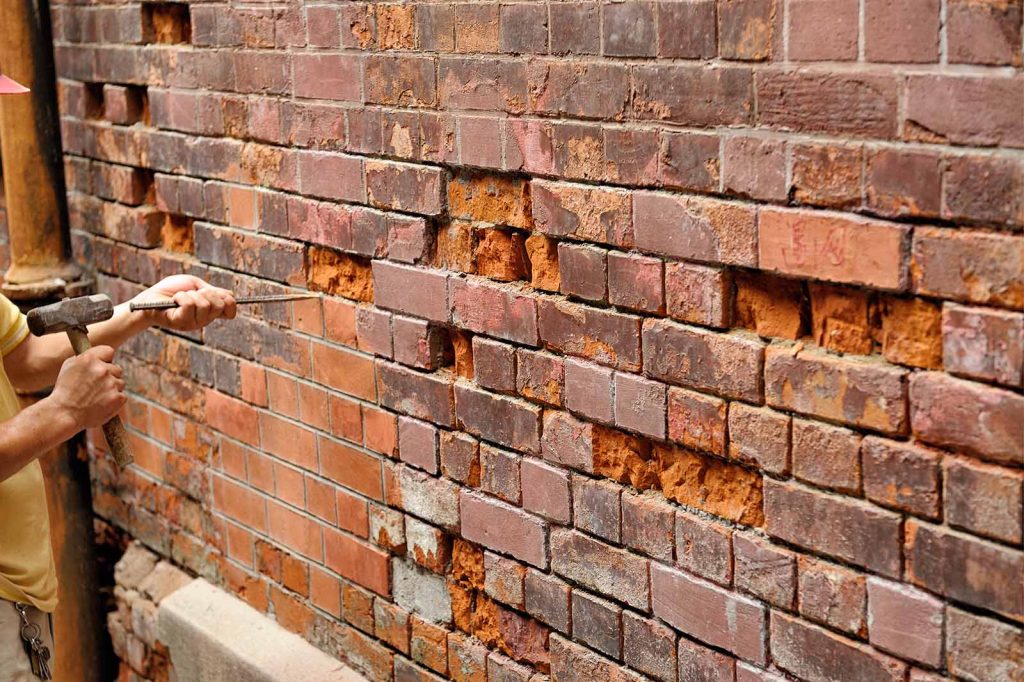
Spalling is another major warning sign. This occurs when the surface of the brick begins to chip, peel, or break apart due to trapped moisture freezing inside the material.
Why Ignoring Water Damage Leads to Bigger Repairs
Water damage rarely stays isolated to one small area. Once moisture enters masonry, the damage often spreads gradually through the surrounding brick and mortar.
As mortar weakens, bricks begin shifting. As bricks shift, more openings form for water intrusion. Eventually, entire sections of masonry can become unstable.
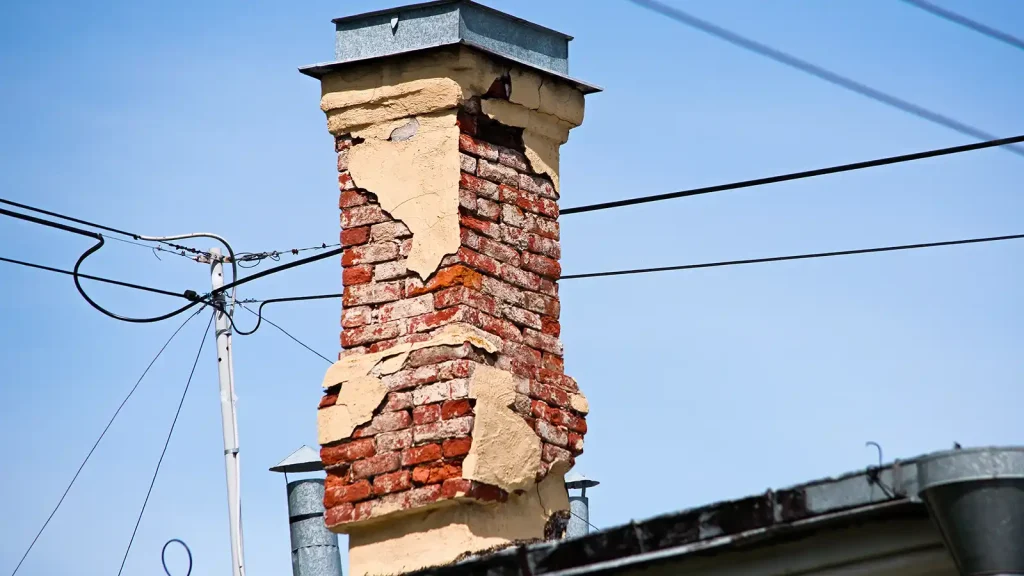
Chimneys are especially vulnerable because they are fully exposed to rain, snow, and freezing temperatures year-round. Porch structures and retaining walls also experience constant moisture exposure from the ground and surrounding surfaces.
The longer water damage is ignored, the more likely structural repairs become necessary instead of smaller maintenance repairs.
How Professional Masonry Repairs Stop Moisture Damage
Addressing water damage starts with identifying how moisture is entering the structure.
In many cases, repairs involve removing deteriorated mortar and replacing it through tuckpointing. Damaged bricks may also need to be replaced if spalling or cracking has progressed too far.
Drainage improvements, chimney caps, flashing repairs, and sealing exposed areas can also help prevent future moisture intrusion.
The goal is not only to repair visible damage but also to stop the source of the problem before additional deterioration occurs.
Protecting Your Brick Before Damage Gets Worse
Brick structures are built to last, but they require maintenance to continue performing properly in Michigan’s climate. Small cracks and moisture issues may not seem urgent at first, but they often grow worse over time as water continues entering the masonry.
At N&M Restoration, we inspect brick and masonry structures to identify moisture damage, structural concerns, and areas vulnerable to future deterioration. Our goal is to stop the problem early and restore long-term stability.
If you are noticing cracked mortar, loose bricks, or signs of moisture around your masonry, a professional inspection can help determine the best solution before the damage spreads further. Schedule one today!