
Understanding Why Minor Brick and Mortar Damage Should Never Be Ignored
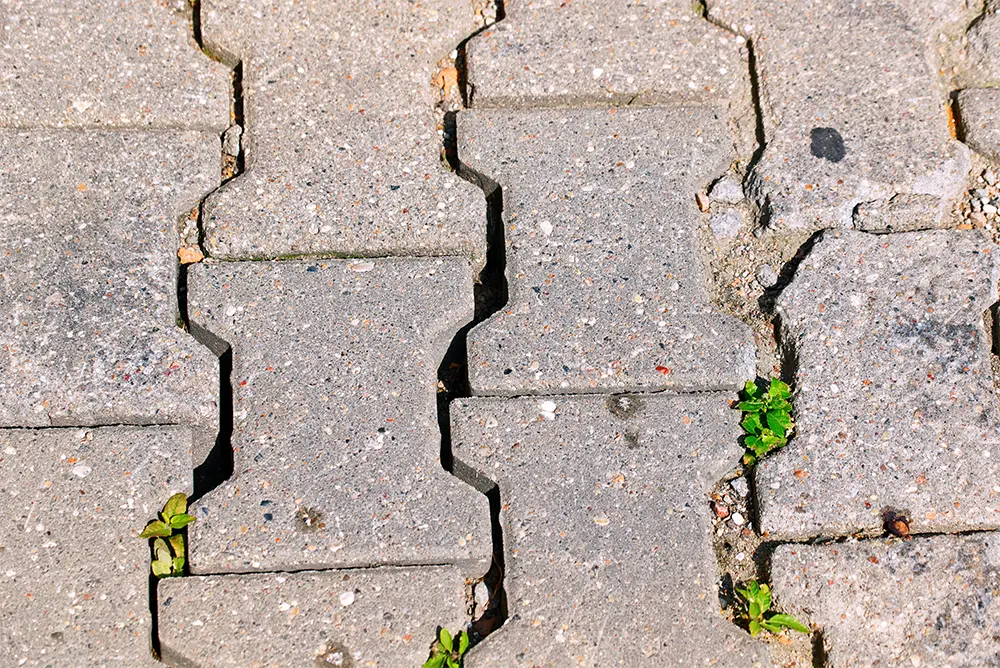
Small cracks are often the first visible sign of a larger issue developing beneath the surface. Once a crack forms, it creates an opening for moisture to enter the masonry. In Michigan, where freeze-thaw cycles occur throughout the year, that moisture can quickly turn a minor repair into a much larger project.
Understanding how masonry damage progresses can help homeowners address problems early and avoid more expensive repairs later.
Water Is the Biggest Threat to Masonry
The moment a crack appears, water has a pathway into the structure.
Brick and mortar are naturally porous materials. Even without visible damage, they absorb some moisture over time. Cracks allow significantly more water to penetrate deep into the masonry system.
Rain, melting snow, and humidity can all contribute to moisture intrusion. Once water enters, it becomes trapped inside the brick, mortar, or surrounding materials.
This may not cause noticeable problems immediately. However, the damage often begins long before homeowners realize anything is wrong.
Water intrusion is one of the leading causes of masonry deterioration because it affects both the appearance and structural integrity of the brickwork.
Freeze-Thaw Cycles Make Cracks Worse
Michigan’s climate creates one of the toughest environments for masonry structures.
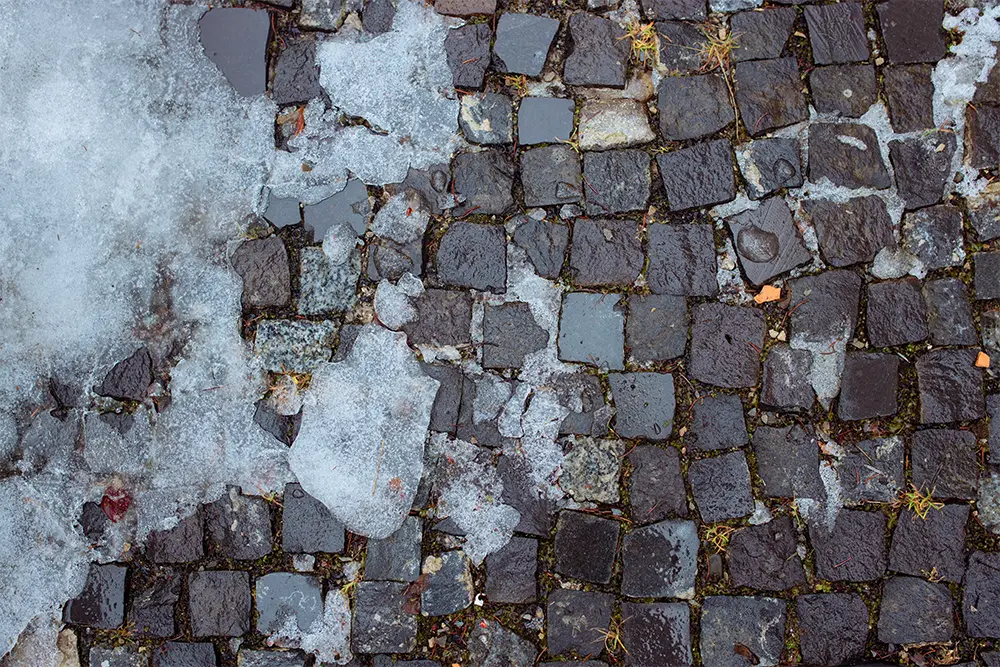
When water trapped inside a crack freezes, it expands. As temperatures rise, the ice melts and contracts. This expansion and contraction places constant pressure on the surrounding brick and mortar.
Over time, the crack grows larger.
What started as a small opening can eventually become a significant separation. Mortar joints begin breaking down. Bricks may loosen or shift. Additional cracks often form nearby as stress spreads throughout the structure.
This process can repeat dozens of times during a single winter season. Each cycle causes more deterioration and allows additional moisture to enter.
Damaged Mortar Leads to Structural Weakness
Mortar plays a critical role in masonry construction. It binds individual bricks together and helps distribute weight throughout the structure.
When mortar begins to crack or deteriorate, the strength of the entire system can be affected.
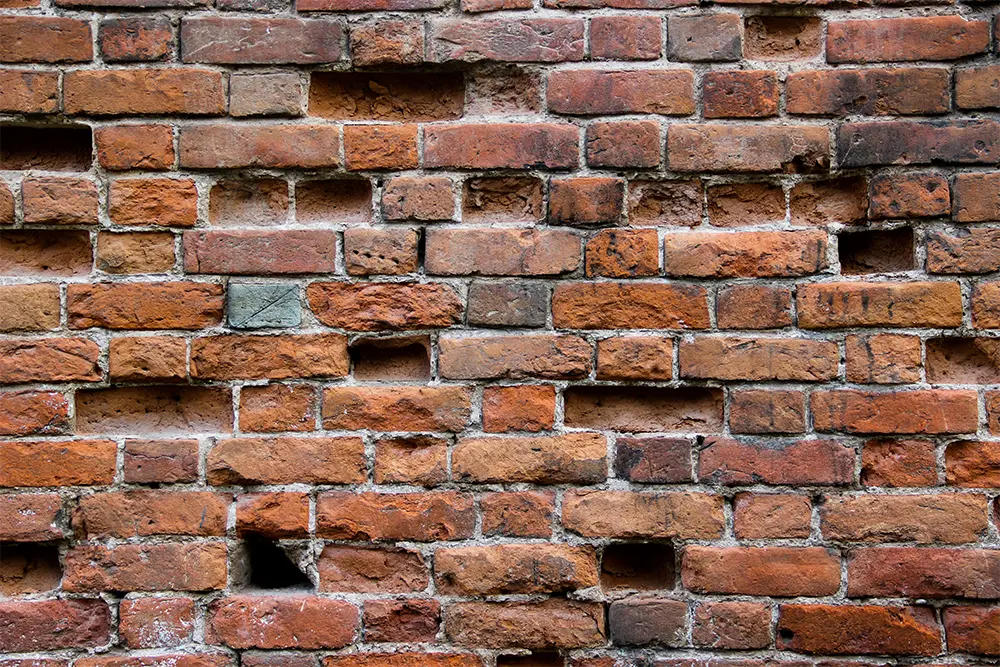
As water continues entering damaged joints, the mortar gradually erodes. Pieces may begin falling out, leaving gaps between bricks. Once this happens, the surrounding masonry becomes more vulnerable to movement and instability.
This is especially common in older chimneys, porches, retaining walls, and brick facades where mortar has been exposed to decades of weather conditions.
What may have started as a simple tuckpointing repair can eventually require partial rebuilding if the deterioration is ignored for too long.
Small Cracks Can Lead to Brick Spalling
Another common result of untreated masonry cracks is brick spalling.
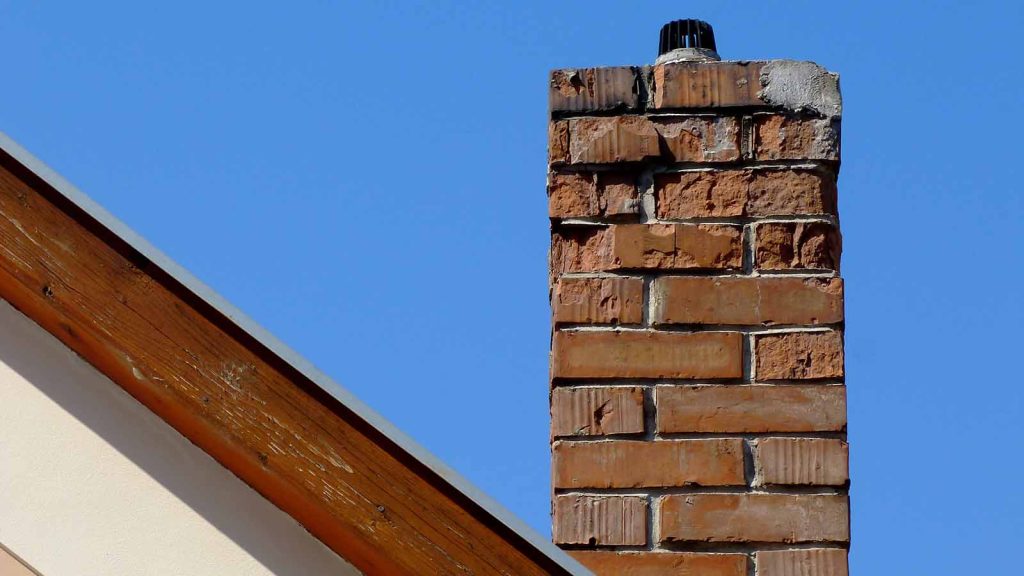
Spalling occurs when the face of the brick begins to flake, chip, or break apart. This happens when moisture becomes trapped inside the brick and freezes repeatedly.
As the internal pressure builds, the outer surface of the brick begins to separate.
At first, homeowners may only notice small chips or rough spots. Eventually, larger pieces break away, exposing the softer interior of the brick to even more moisture.
Once spalling becomes severe, individual bricks often need to be replaced rather than repaired.
Chimneys and Porches Are Especially Vulnerable
Certain masonry structures experience more exposure than others.
Chimneys are constantly exposed to rain, snow, wind, and temperature fluctuations. Because they sit above the roofline, they absorb moisture from all directions. Even a small crack in a chimney can quickly lead to widespread mortar deterioration and water intrusion.
Brick porches also face constant exposure. Water can enter through cracks, collect around the structure, and accelerate freeze-thaw damage throughout the year.
Because these structures are so exposed, small masonry cracks should never be ignored.
Early Repairs Save Time and Money
One of the biggest advantages of masonry repair is that problems are often easier to fix when caught early.
A small crack may only require tuckpointing, sealing, or minor brick replacement. These repairs are typically straightforward and help prevent additional deterioration.
Once water damage spreads, repair costs increase because larger sections of masonry may need to be rebuilt or reconstructed.
Addressing minor issues before they become structural problems is one of the most cost-effective ways to protect your home.
Protect Your Masonry Before Damage Spreads
Masonry structures are designed to last for decades, but they depend on regular maintenance and timely repairs. Small cracks may seem insignificant today, but they often become the starting point for much larger problems.
At N&M Restoration, we inspect masonry structures for signs of cracking, water intrusion, mortar deterioration, and structural movement. By identifying problems early, we help homeowners avoid costly repairs and preserve the life of their brickwork.
If you have noticed cracks in your chimney, porch, retaining wall, or brick exterior, a professional inspection can help determine the cause and prevent the damage from spreading further.