
Understanding What Causes Concrete Damage in Michigan Winters
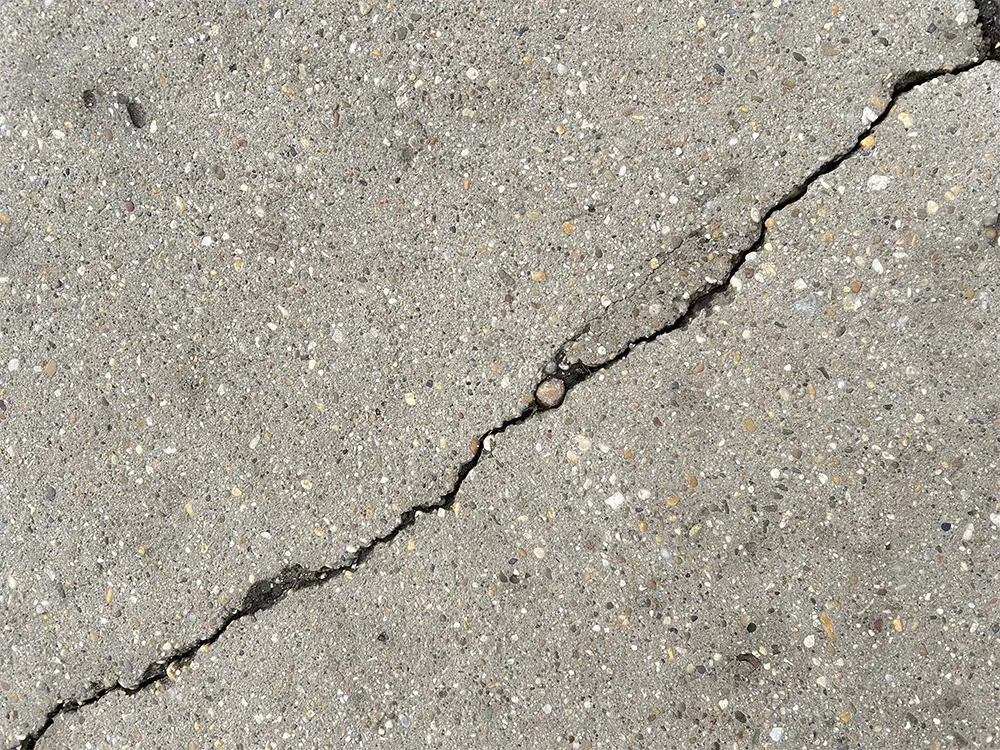
Many homeowners walk outside in early spring and notice something new. Cracks that were not there before. Sections that look slightly uneven. Edges that seem to be separating.
It can be frustrating, especially if the driveway looked fine in the fall. The reality is that winter conditions in Michigan are one of the biggest causes of concrete damage.
Concrete is strong, but it is not immune to temperature changes. When the ground and moisture beneath the surface shift, even a well-poured driveway can begin to show signs of wear.
Understanding why this happens can help you decide what to do next.
The Freeze-Thaw Cycle and Its Impact on Concrete
The most common reason concrete cracks during winter is the freeze-thaw cycle.
Water seeps into small pores and gaps in the concrete and the soil beneath it. When temperatures drop, that water freezes and expands. As it expands, it creates pressure inside the concrete and underneath the slab.
When temperatures rise, the ice melts, and the pressure is released. Then the cycle repeats.
Over the course of a Michigan winter, this process can happen dozens of times. Each cycle adds stress to the concrete. Eventually, that stress leads to cracking.
Ground Movement Beneath the Driveway
The problem is not just in the concrete itself. It often starts below the surface.
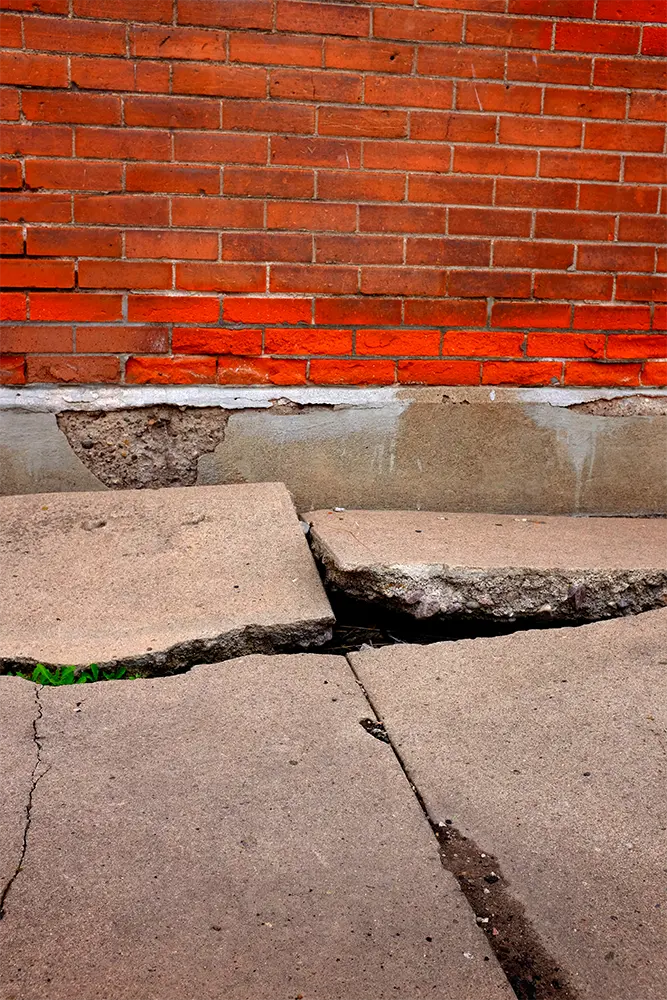
When soil freezes, it expands and lifts the slab slightly. When it thaws, the soil settles again. This movement can be uneven, especially if the base was not properly prepared.
As a result, different sections of the driveway may rise and fall at different rates. This creates tension within the slab and leads to cracks or separation.
Poor drainage can make this worse. If water collects beneath the driveway, it increases the amount of expansion during freezing conditions.
Why Some Driveways Crack More Than Others
Not every driveway cracks at the same rate. The difference often comes down to how the concrete was installed.
A properly installed driveway includes:
- A compacted gravel base
- Proper thickness
- Reinforcement when needed
- Correct grading for drainage
If any of these steps are skipped or done incorrectly, the driveway becomes more vulnerable to winter damage.
Older driveways are also more likely to crack because the materials have already been exposed to years of wear and weather.
When Cracks Are a Minor Issue
Not every crack means your driveway needs to be replaced.
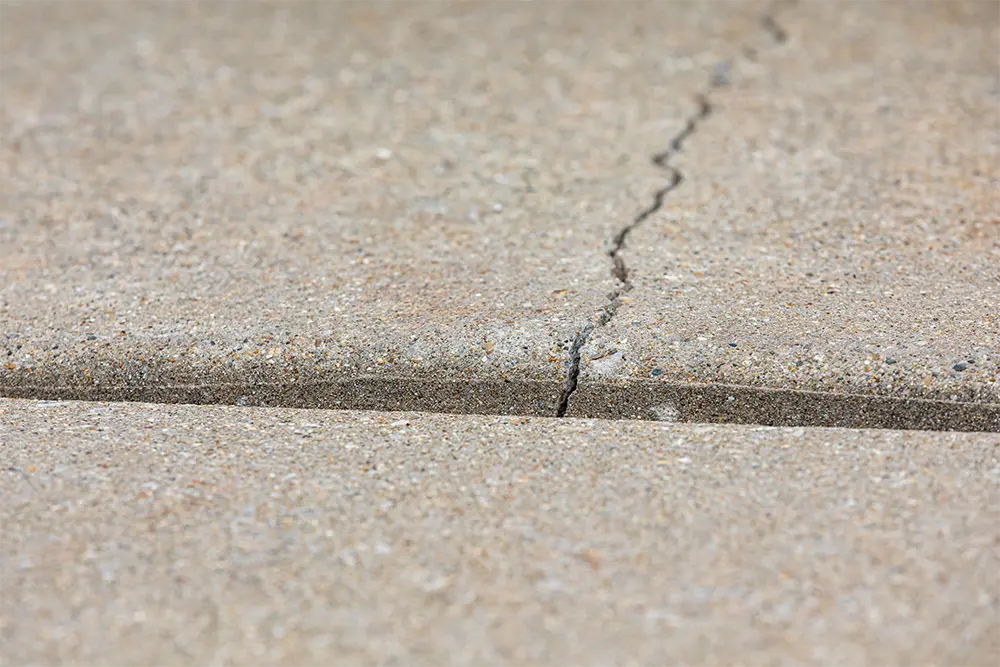
Small surface cracks are common and may not affect the overall structure. In some cases, these can be sealed to prevent water from getting in and causing further damage.
Monitoring these cracks is important. If they stay small and do not spread, repair may be all that is needed.
When Cracks Indicate a Bigger Problem
Larger cracks or multiple cracks across the surface can be a sign of deeper issues.
If sections of the driveway are uneven, sinking, or separating, it often points to base failure. In these cases, surface repairs may not last because the underlying problem is still there.
Drainage issues, repeated cracking in the same areas, and noticeable movement are all signs that a more complete solution may be needed.
What to Do Next
If your driveway cracked over winter, the first step is understanding the cause. Some issues can be repaired, while others may require replacement to ensure long-term stability.
At N&M Restoration, we evaluate concrete surfaces to determine whether a repair will hold or if a new installation is the better option. Our goal is to provide a solution that lasts, not a temporary fix.
If you are noticing new cracks or uneven areas, scheduling an inspection can help you avoid larger problems later. Schedule one today!