
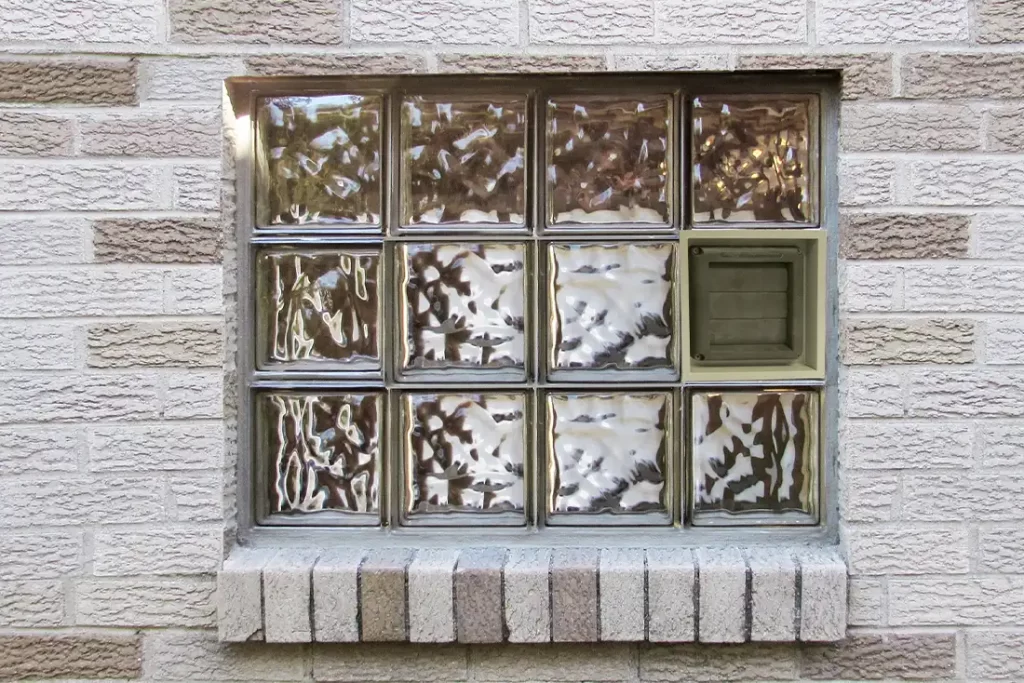
Glass block windows offer an alternative that allows natural light to enter while obscuring the view from outside. Their distinctive appearance also gives homeowners another way to update basement windows without relying on conventional glass.
Although glass blocks have been around for decades, they continue to find new uses in residential design. From basement windows and bathroom openings to decorative interior walls, they offer a combination of privacy, durability, and design flexibility.
If you’re considering an update to your basement or another area of your home, here’s what you should know about glass block windows and where they work best.
What Are Glass Block Windows?
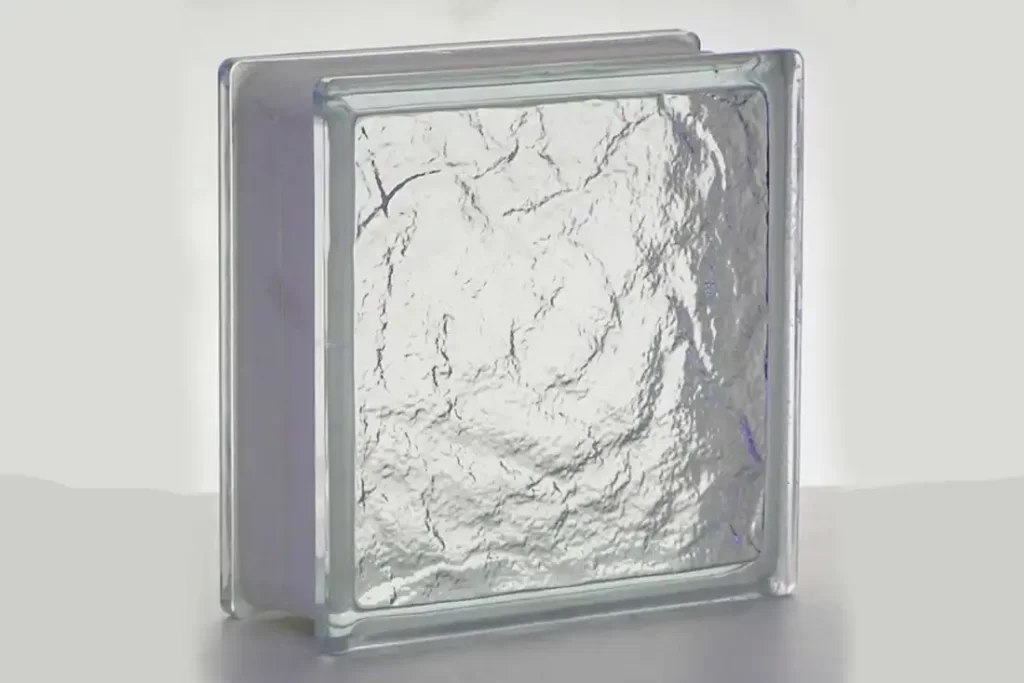
Glass block windows are made from individual blocks of thick glass arranged together to create a solid window assembly. Each block has a textured or patterned surface that allows light to pass through while distorting visibility.
Unlike traditional windows, which use a clear pane of glass, glass blocks create a translucent surface. You can benefit from natural daylight without giving people outside a clear view into your home.
The blocks are available in different patterns, textures, shapes, and finishes. Some provide a relatively smooth appearance, while others create more pronounced visual distortion.
Glass block installations can also be designed around different openings and architectural features. Depending on the application, they may use traditional mortar joints or other installation systems.
For homeowners, the biggest appeal is the combination of light and privacy. You don’t have to cover the window with blinds or curtains just to keep the interior out of view.

Bring Natural Light Into Your Basement
One of the most common uses for glass block windows is basement window replacement. Many older homes throughout Metro Detroit have small basement windows that provide limited daylight. As a result, basement spaces can feel dark even when they have plenty of usable square footage. Glass blocks allow natural light to enter through the existing window opening while maintaining privacy. Their textured surfaces diffuse incoming light, creating a softer appearance than a clear window. This can be especially useful in basements used for:
- Laundry rooms
- Storage areas
- Home workshops
- Recreation rooms
- Utility spaces
- Finished basement living areas
The amount of light depends on the size of the opening, the window’s location, and the surrounding conditions. Glass blocks won’t replace larger windows or additional lighting where those are needed. However, they can make better use of the natural light already available. For homeowners who want a brighter basement without creating a direct line of sight from outside, glass block windows are worth considering.
Add Privacy Without Blocking the Light
Traditional basement windows often create a privacy challenge. Because they’re positioned close to ground level, people walking near the home may have a direct view inside. Curtains, blinds, and window coverings can solve that problem, but they also reduce the amount of natural light entering the space. Glass block windows approach the problem differently. Their textured surfaces obscure visibility while still allowing daylight to pass through. This makes them useful in areas where privacy matters but natural light is still desirable.
Bathrooms are another common application. A glass block window can provide privacy without requiring permanent window coverings. The same concept works for certain interior partitions and decorative features. The amount of privacy depends on the block pattern and viewing conditions. Some textures obscure details more effectively than others, so it’s worth considering the intended application when selecting a design.

Explore Different Patterns and Design Options
Glass blocks aren’t limited to the plain, uniform appearance many homeowners remember. Modern glass block options include a variety of patterns, textures, sizes, and shapes. These choices allow homeowners to create a design that complements the surrounding space rather than treating the window as purely functional.
Some popular design considerations include:
- Clear patterns: Allow more direct light transmission while still distorting visibility.
- Wave patterns: Create a flowing texture that softens the appearance of the window.
- Frosted finishes: Offer a more consistent, obscured appearance.
- Decorative patterns: Add visual interest to windows and interior features.
- Custom arrangements: Use different shapes or layouts to create a distinctive design.
The right choice depends on where the glass blocks will be installed and how much privacy you want. For example, a basement window may benefit from a simple pattern that complements the home’s exterior. A bathroom installation might use a more decorative arrangement that becomes part of the room’s design. Glass blocks can also be incorporated into larger architectural features, including shower walls, partitions, and half walls.
Consider Durability, Security, and Everyday Maintenance
Glass block windows are known for their substantial construction. Individual blocks are much thicker than ordinary window glass, and the completed assembly creates a solid surface. This construction can offer several practical benefits.
Durability: Glass blocks are designed to withstand everyday conditions and don’t rely on traditional window frames and moving sashes.
Privacy: Their textured surfaces make it difficult to see clearly through the window.
Security: The thick glass construction can provide greater resistance to casual break-ins than some conventional window assemblies. However, no window should be considered completely burglar-proof.
Maintenance: Glass blocks don’t require blinds, curtains, or the same moving hardware found in many traditional windows. Routine cleaning and periodic inspection of the surrounding joints are still important.
Glass blocks can also help reduce some outside noise. The actual sound reduction depends on the block assembly, installation, and surrounding construction. It’s important to remember that glass block windows aren’t a universal replacement for every type of window. Their suitability depends on the opening, intended use, ventilation requirements, and applicable building codes.
Understand the Insulation and Ventilation Considerations
When choosing new basement windows, energy efficiency should be part of the conversation. Glass block assemblies can provide useful thermal and sound insulation, but their performance varies depending on the block design and installation. They should not automatically be assumed to outperform every modern insulated window. The surrounding installation also matters. Proper sealing and attention to the window opening help limit unwanted air and moisture infiltration.
Ventilation is another important consideration. Many glass block installations are fixed, meaning they don’t open like conventional windows. If you need an opening window for ventilation, you may want to consider a design that incorporates an operable vent.
Basement windows can also serve an important safety function. If a window is required for emergency escape and rescue, replacing it with a fixed glass block assembly may not meet applicable requirements.
Before choosing a design, consider:
- Whether the room requires an operable window.
- Whether the opening serves as an emergency escape route.
- Whether additional ventilation is necessary.
- How the window will affect the room’s overall comfort.
- Whether local building requirements apply to the installation.
These details are especially important when updating basement windows in finished living spaces or rooms used for sleeping.
Where Else Can You Use Glass Blocks?
Basement windows may be the most familiar application, but glass blocks offer more design possibilities throughout the home. Their ability to provide light while maintaining privacy makes them useful in several different settings.
Bathroom Windows and Shower Walls
Bathrooms are one of the most natural places to use glass blocks. They can bring daylight into a space without exposing the interior to outside views.
Glass blocks can also be incorporated into shower walls and partitions. Their textured appearance adds visual interest while helping separate different areas of the room. Any shower installation needs to account for proper waterproofing and construction details.
Interior Dividers and Half Walls
Glass block partitions can help separate spaces without creating a completely solid wall. For example, they can divide a bathroom from another area or create a decorative feature between rooms. Light can still pass through the installation, which can help preserve a more open feeling.
Decorative Architectural Features
Glass blocks can also be used as accent features in residential and commercial spaces. A decorative wall, interior divider, or strategically placed glass block feature can introduce texture and light without relying on traditional windows. The possibilities depend on the available space and the design goals of the project.
Are Glass Block Windows Right for Your Home?
Glass block windows are worth considering if you want to improve privacy, bring natural light into a basement, or introduce a distinctive architectural feature. They can be particularly useful for homeowners who don’t need an operable window in the opening and want a low-maintenance alternative to conventional window designs. However, the best solution depends on the space.
A basement window that serves an emergency escape function has different requirements than a small bathroom window. Likewise, a decorative glass block partition has different construction considerations than an exterior window exposed to Michigan weather. Taking the time to evaluate the location, intended use, ventilation, and design options will help you determine whether glass blocks make sense for your project.
Upgrade Your Home With Glass Block Windows From N&M Restoration
Glass block windows offer a practical way to introduce natural light and privacy into areas of your home where traditional windows may not be the best fit. At N&M Restoration, we help Metro Detroit homeowners explore glass block options for basement windows and other residential applications. Our team can help you consider different designs and find an approach that fits your space and project goals.
Whether you’re updating an older basement window or considering a more decorative glass block feature, the right installation can make a noticeable difference in how a space looks and functions. Glass block windows are just one way to improve the comfort and functionality of your home. If you’re planning additional basement upgrades, N&M Restoration also offers basement waterproofing to help protect your space from moisture and insulation services to improve indoor comfort and energy efficiency. Explore our services to find the right improvements for your home, or contact N&M Restoration to discuss your next project.
Ready to explore glass block windows for your home? Contact N&M Restoration for a free estimate and let’s discuss your project.