
Understanding Freeze-Thaw Damage to Brick Paver Patios and Driveways
Brick pavers are durable and designed to handle weather changes. However, the ground beneath them is constantly moving. During winter, moisture in the soil freezes and expands. When temperatures rise again, that frozen ground thaws and contracts. This repeated expansion and contraction is known as the freeze-thaw cycle.
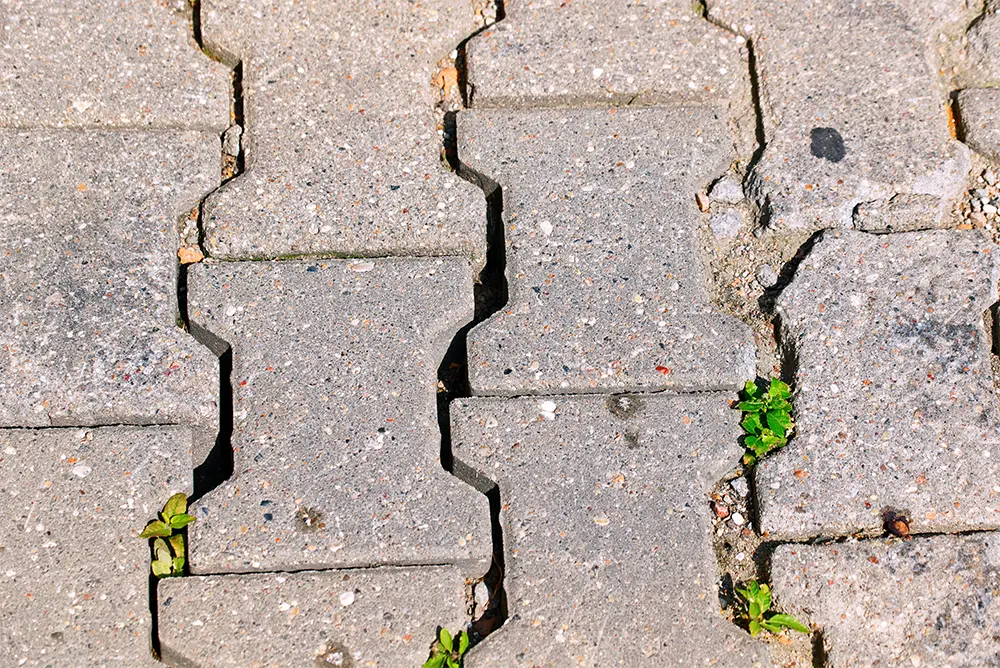
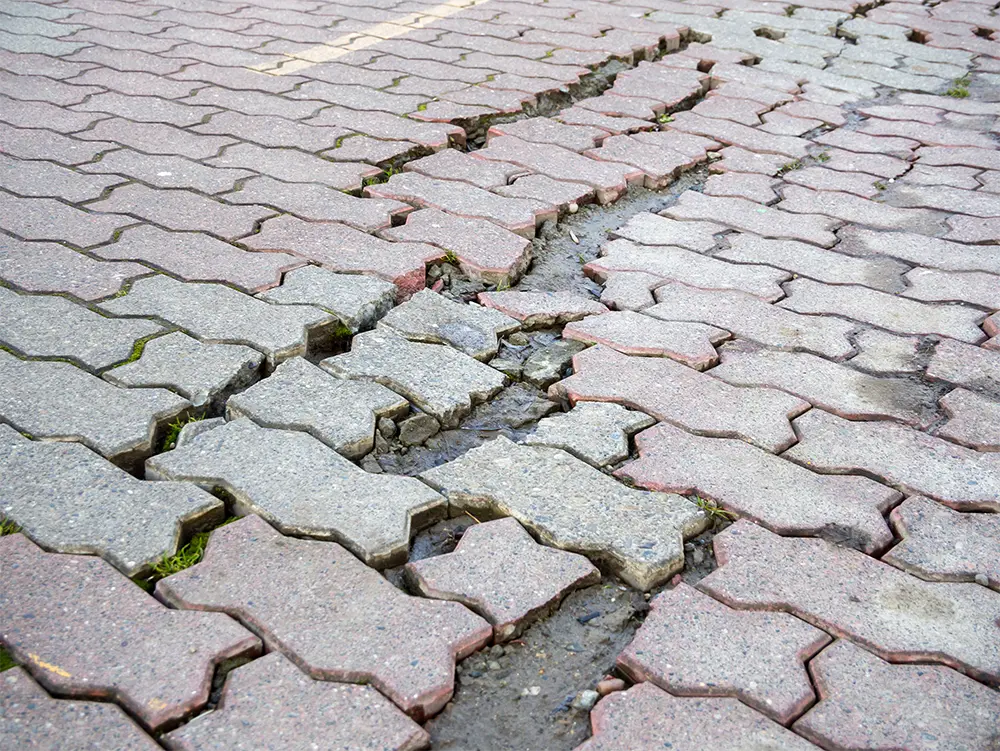
Over time, this natural process can cause the base beneath brick pavers to shift. When the base moves, the pavers above it move as well. That is why homeowners often discover uneven surfaces or small gaps between pavers in early spring.
Understanding why this happens can help you identify problems early and prevent larger repairs later.
How Freeze-Thaw Cycles Affect Brick Pavers
When water seeps into the soil beneath a paver installation, it creates pressure as it freezes. Frozen water expands, pushing upward against the base layer that supports the pavers. When temperatures rise and the ice melts, the ground settles again. This movement may only be a fraction of an inch each time, but after an entire winter, it can shift the structure of the paver surface.
Poor drainage can make this problem worse. If water is not able to flow away from the patio or driveway, it remains trapped beneath the pavers. The more moisture present, the more expansion occurs during freezing conditions.
Another common cause is base failure. Brick pavers rely on a compacted gravel base and bedding sand to stay stable. If the base was not installed properly or has eroded over time, the freeze-thaw cycle can cause sections of the surface to sink or rise unevenly.
Tree roots, heavy vehicle traffic, and natural soil settling can also contribute to shifting pavers. Winter simply accelerates the problem.
Signs Your Brick Pavers Have Shifted
Many homeowners do not notice the problem until spring. Snow and ice hide the surface throughout winter, so damage only becomes visible when everything melts.
Some common signs of shifting brick pavers include:
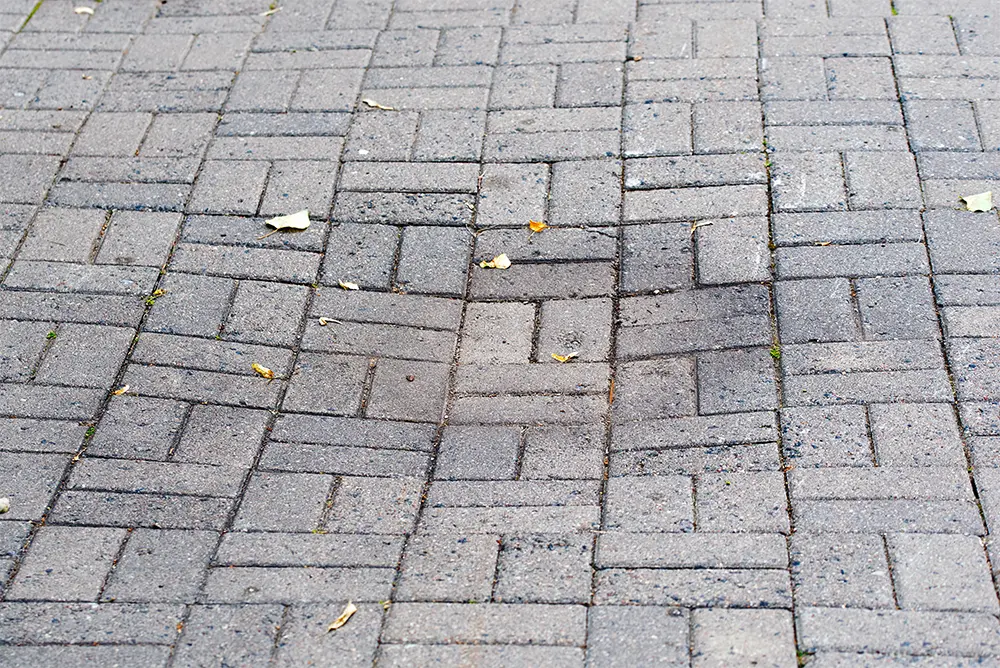
- Uneven sections in a patio or driveway
- Pavers that rock when stepped on
- Sunken areas where water collects after rain
- Small gaps forming between bricks
- Edges of a walkway or driveway beginning to separate
Even minor movement can become a bigger issue if it is ignored. When pavers begin to shift, the surrounding area often continues to settle or spread.
Why Early Repairs Matter
One of the advantages of brick pavers is that they are repairable. Unlike poured concrete, individual pavers can be lifted and reset without replacing the entire surface.
However, timing matters. When shifting areas are repaired early, contractors can correct the base layer, restore proper compaction, and reinstall the existing pavers. This keeps repair costs manageable and preserves the appearance of the installation.
If the problem is left untreated, the base can continue to erode and spread. Eventually, larger sections may need to be rebuilt rather than repaired.
Spring is the ideal time to address these issues. The ground has thawed, the damage is visible, and repairs can be completed before summer storms and heavy use place additional stress on the surface.
How Professional Paver Repairs Restore Stability
Repairing shifting brick pavers involves more than simply adjusting the bricks. A proper repair focuses on correcting the underlying cause of the movement.
In most cases, the affected section is carefully lifted, and the pavers are set aside. The contractor then rebuilds the base using compacted gravel and fresh bedding sand. Once the foundation is stable again, the pavers are reinstalled and aligned to match the surrounding pattern.
Joint sand is replaced to lock the pavers together and prevent future movement. When done correctly, the repaired section blends seamlessly with the rest of the surface.
This process restores both the appearance and structural stability of the installation.
Addressing Paver Problems Before They Get Worse
Michigan winters will always create stress on outdoor surfaces. However, small issues do not have to become large ones. Identifying shifting pavers early allows homeowners to restore their patio, driveway, or walkway before the damage spreads.
At N&M Restoration, we specialize in evaluating brick paver installations and identifying the root cause of shifting surfaces. Our goal is to restore stability while preserving the existing design whenever possible.
If your brick pavers look uneven after winter, a professional inspection can help determine whether a simple repair will solve the problem. Schedule one today!