
A Complete Guide to Understanding Blown-In Insulation and Why It Makes Such a Big Difference in Your Home
What Is Blown-In Insulation?
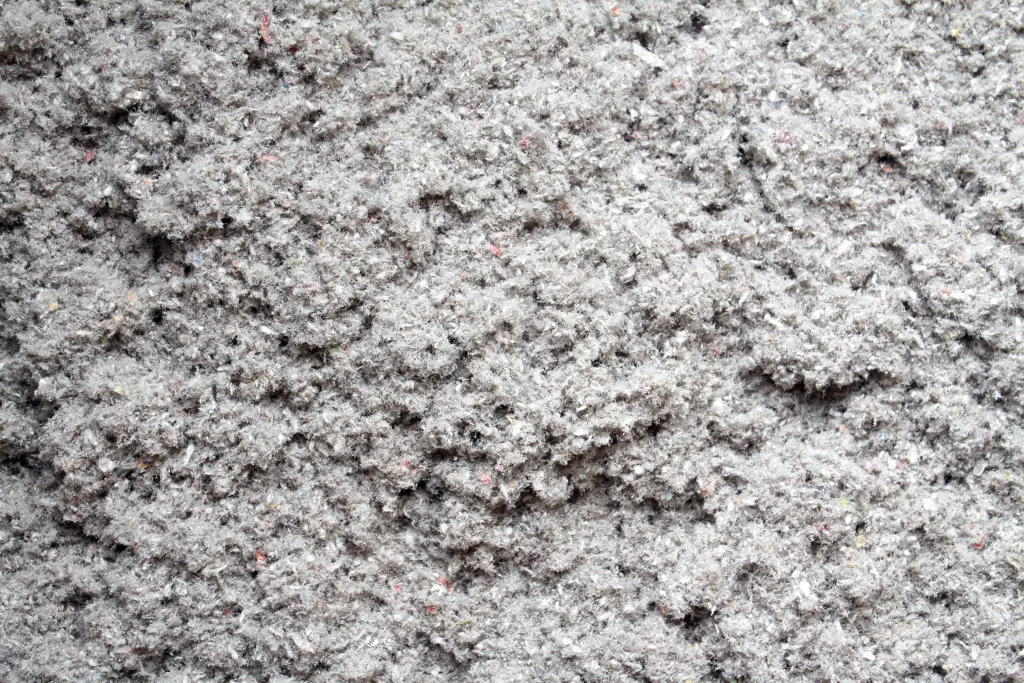
Blown-in insulation is a loose, fluffy material that gets distributed throughout your attic or inside your walls using a specialized blowing machine. The goal is simple. We fill in gaps, cover bare spots, and create a thick layer of protection that keeps heat inside during the winter and outside during the summer. Once it settles into place, blown-in insulation forms a blanket over your home that makes a noticeable difference in comfort and energy costs.
Whether you live in an older house with minimal insulation or a newer one that needs an upgrade, blown-in insulation is one of the smartest energy improvements you can make. It adds long-term performance, increases your home’s efficiency, and offers one of the highest returns on investment in residential construction.
What Is Blown-In Insulation Made Of?
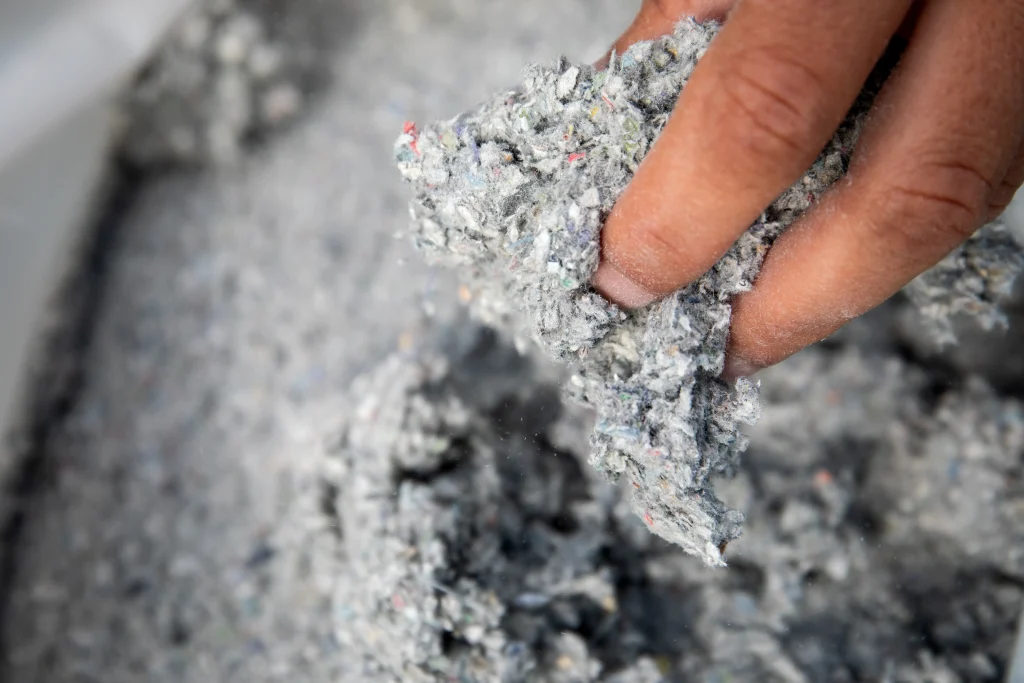
Blown-in insulation is most commonly made from cellulose or fiberglass. Both options provide strong thermal resistance and excellent coverage, but they each have their own characteristics. Cellulose is created from recycled paper that has been treated to resist fire, insects, and mold. It settles into every corner and crevice, which makes it especially useful in older homes that have irregular framing or unusual voids in the walls.
Fiberglass blown-in insulation is made from fine glass fibers that create a lightweight, fluffy material. It performs extremely well in attics where we need to build up deep layers to reach the proper R-value. Fiberglass also resists moisture and provides stable performance for decades, even in homes that experience large temperature swings throughout the year.
No matter which material we install, the goal is the same. We want a complete thermal barrier around your living space. The insulation needs to be dense enough to stop heat transfer, but light enough to avoid unnecessary weight on your attic structure. At N&M Restoration, we choose the right material for each home based on age, condition, and energy needs.
How Blown-In Insulation Is Installed
The installation process is one of the biggest advantages of blown-in insulation. Unlike traditional batts or boards, blown-in insulation requires very little demolition. There is no need to tear out walls or remove ceilings. Instead, we use a specialized blowing system that feeds insulation through a long hose and distributes it exactly where it needs to go.
For an attic, we usually begin by inspecting the existing insulation. Many homes have a thin or uneven layer that does very little to protect them from heat loss. We fill in all gaps and then add more material until the attic reaches the recommended R-value for Michigan homes. This builds a thick, even blanket that makes a dramatic difference in energy efficiency.
For wall insulation, we drill small holes either inside the home or under the exterior siding. After filling the cavities with insulation, we patch the access points so the finished surface is smooth and clean. It is a simple process that brings old walls up to modern standards without the mess of a remodeling project.
Why Blown-In Insulation Works So Well
What makes blown-in insulation so effective is the way it fills every open space. Traditional insulation comes in fixed shapes, which means it cannot always fit snugly around pipes, wiring, corners, or irregular framing. Blown-in insulation flows around those obstacles and settles in tight, giving you total coverage with no cold spots.
This complete seal improves temperature consistency and helps reduce the workload on your heating and cooling system. When your home stays warm longer, your furnace runs less often. When it stays cool longer, your air conditioner does not have to fight the outdoor heat as hard. That drop in workload translates directly into lower energy bills.
In Michigan homes, blown-in insulation also helps prevent ice dams by keeping attic temperatures stable. When heat does not escape through the roof, snow melts slower and more evenly. This reduces the chance of ice forming along the edges of the roof and causing water damage inside your home.
How Long Does Blown-In Insulation Last?
Quality blown-in insulation can last several decades when installed correctly. It does not break down quickly, and it does not require much maintenance. The most important factor for longevity is making sure the attic or walls stay dry. At N&M Restoration, we always inspect for leaks, ventilation issues, and moisture problems before adding insulation. Addressing these concerns first ensures your insulation performs at its best for as long as possible.
Cellulose and fiberglass do not lose much of their insulating power over time, but they can settle slightly. That is normal and expected. We account for that during installation so the final thickness remains at the proper level even after settling.
When Should You Consider Adding Blown-In Insulation?
If your home feels drafty, your energy bills are high, or certain rooms never seem to stay comfortable, blown-in insulation is an easy and effective upgrade. Many homeowners also choose to add insulation before finishing a basement, replacing siding, or installing a new roof. These projects offer a great opportunity to improve your home’s energy performance and save money in the long run.
Even newer homes sometimes benefit from additional insulation. Builders meet minimum code requirements, but that does not always mean the home is optimized for efficiency. Adding blown-in insulation creates better comfort, reduces noise, and can even improve indoor air quality by helping to regulate airflow.
Upgrade Your Home with Professional Blown-In Insulation
If you are ready to make your home more comfortable and energy efficient, blown-in insulation is one of the fastest, cleanest, and most cost-effective ways to do it. At N&M Restoration, we take the time to evaluate your home’s needs, recommend the right materials, and install everything with precision and care. Your home will feel better, your energy bills will drop, and the results will last for decades.
Contact Us today for a free estimate. We’ll make sure the job is done right