Uneven Temperatures Throughout the House
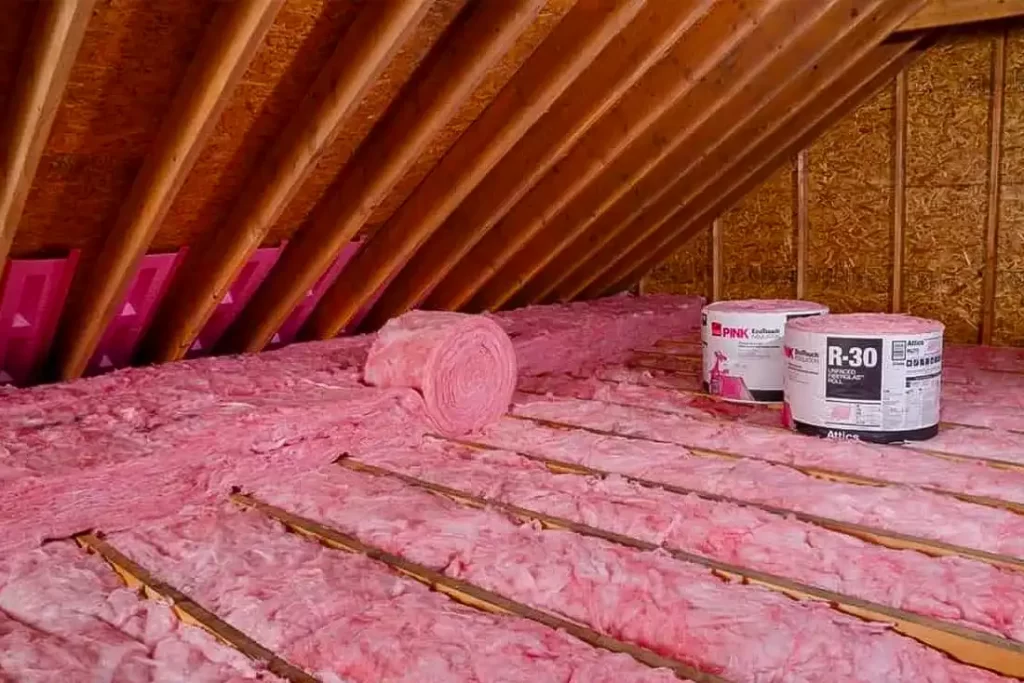
One of the clearest signs of insulation problems is inconsistent indoor temperatures. If one room feels comfortable while another feels noticeably colder or warmer, insulation gaps are often the cause.
This is especially common in older homes where insulation has settled over time or was not installed evenly. Blown-in insulation can help fill those gaps and create a more consistent thermal barrier throughout the home.
Rising Energy Bills Without Explanation
If your energy bills keep increasing but your usage habits have not changed, poor insulation could be to blame. When insulation fails, your heating and cooling system has to work harder to maintain indoor temperatures.
This extra strain leads to higher utility costs and more wear on your HVAC system. Upgrading insulation helps your home retain heat in winter and stay cooler in summer, reducing energy waste and lowering monthly bills.
Drafts Even When Windows Are Closed
Feeling cold air near walls, ceilings, or floors is another strong indicator of insulation issues. Drafts often come from wall cavities or attic spaces that are not properly insulated.
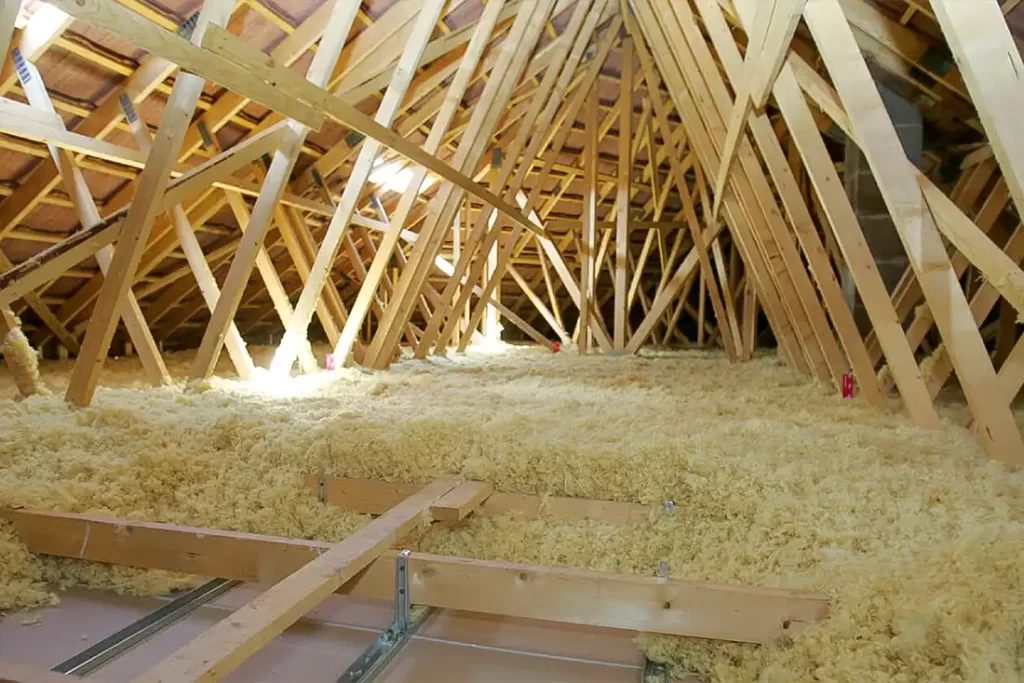
Blown-in insulation is particularly effective at sealing these hidden air leaks. It fills small gaps that traditional insulation often misses, helping eliminate drafts and improve overall comfort.
Cold Floors in Winter and Hot Rooms in Summer
Insulation problems are often most noticeable during extreme weather. Cold floors during winter or rooms that overheat in summer usually point to insulation breakdown in attics or crawl spaces.
Attic insulation is especially important since heat naturally rises. If insulation is thin or uneven, heat escapes quickly during winter and enters easily during summer.
Ice Dams or Snow Melting on the Roof
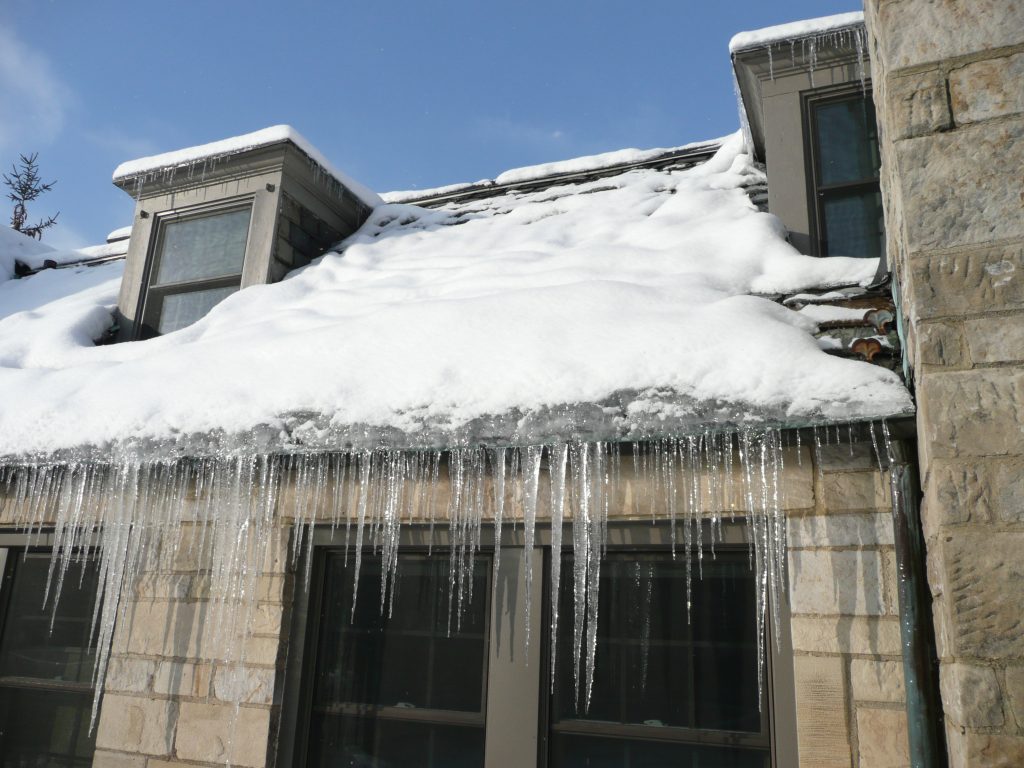
If you notice snow melting unevenly on your roof or ice dams forming along the edges, insulation issues may be present. Heat escaping through the attic can cause snow to melt, then refreeze near the roofline.
Proper insulation helps maintain consistent attic temperatures, reducing the risk of ice dams and moisture-related roof damage.
Older or Settled Insulation
Homes built decades ago often contain insulation that no longer meets modern efficiency standards. Over time, insulation can compress, shift, or degrade, leaving parts of the home exposed.
Even if insulation is present, it may not be performing effectively. Blown-in insulation is a common solution for upgrading older homes because it can be added without major demolition.
Excessive Dust or Allergens Indoors
Poor insulation can allow outdoor air, dust, and allergens to enter the home more easily. If you notice increased dust buildup or worsening indoor air quality, insulation gaps could be contributing to the problem.
Proper insulation helps reduce uncontrolled airflow, improving comfort and indoor air quality.
Your Home Feels Uncomfortable Year-Round
If your home never feels quite right regardless of the season, insulation may be the missing piece. Insulation is not just about temperature. It plays a role in humidity control, airflow, and overall comfort.
When insulation performs correctly, your home feels stable and comfortable instead of constantly adjusting to outside conditions.
When to Consider an Insulation Upgrade
If your home shows one or more of these signs, it may be time to consider an insulation upgrade. Blown-in insulation is an efficient solution for sealing gaps, improving comfort, and increasing energy efficiency without invasive construction.
At N&M Restoration, we evaluate your home’s insulation needs based on layout, age, and Michigan’s climate conditions. Our goal is to create a more comfortable and efficient living space that performs year after year.
If you suspect your insulation is no longer doing its job, reaching out for a professional assessment can help you understand your options and avoid unnecessary energy loss.