
How to Spot Early Masonry Problems Before They Become Expensive Repairs
Many homeowners do not notice early signs of damage until the problem becomes severe. By that point, repairs can be more complicated and expensive. The good news is that brick porches usually show clear warning signs before major structural issues develop.
Recognizing those warning signs early allows homeowners to address problems before they spread and cause larger damage to the surrounding masonry or foundation.
Loose or Shifting Bricks
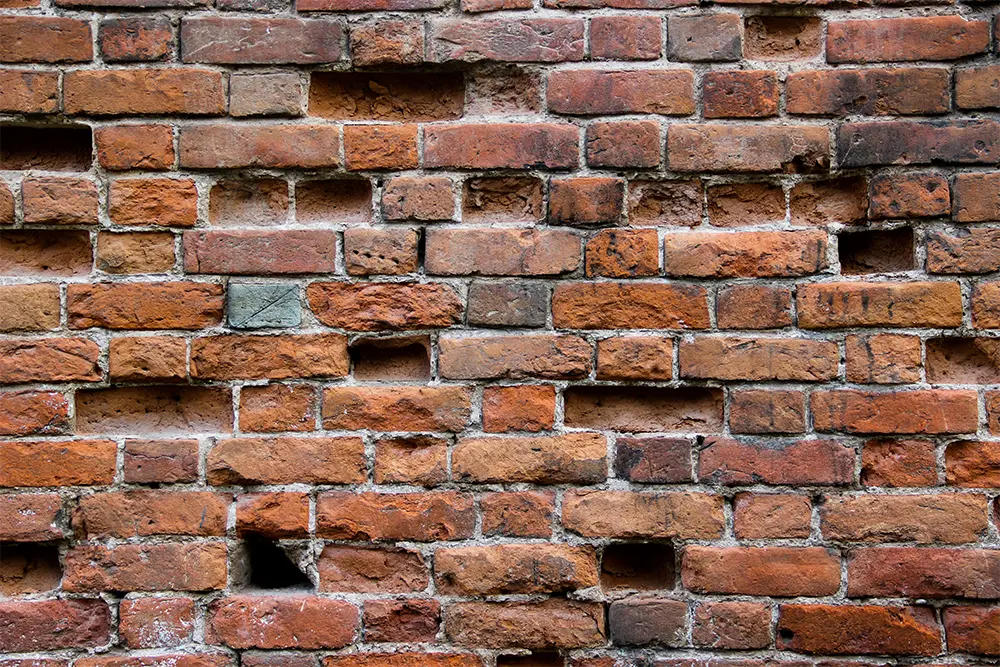
Another warning sign is movement within the brickwork. If individual bricks begin to shift or feel loose when pressure is applied, it usually indicates that the bonding mortar has weakened.
Loose bricks should never be ignored. Once movement begins, the surrounding bricks are likely to follow. Sections of the porch may eventually begin separating or leaning outward.
Early repair can stabilize these areas before the damage spreads.
Uneven or Sunken Porch Sections
A brick porch should remain level and stable over time. If sections begin to sink or tilt, it may indicate problems with the base or foundation supporting the structure.
This often occurs when water erodes soil beneath the porch or when the base materials begin to break down. Michigan’s freeze-thaw cycles can accelerate this process by repeatedly expanding and contracting the ground.
Uneven surfaces can become both a structural concern and a safety hazard for anyone entering or leaving the home.
White Staining on the Brick Surface
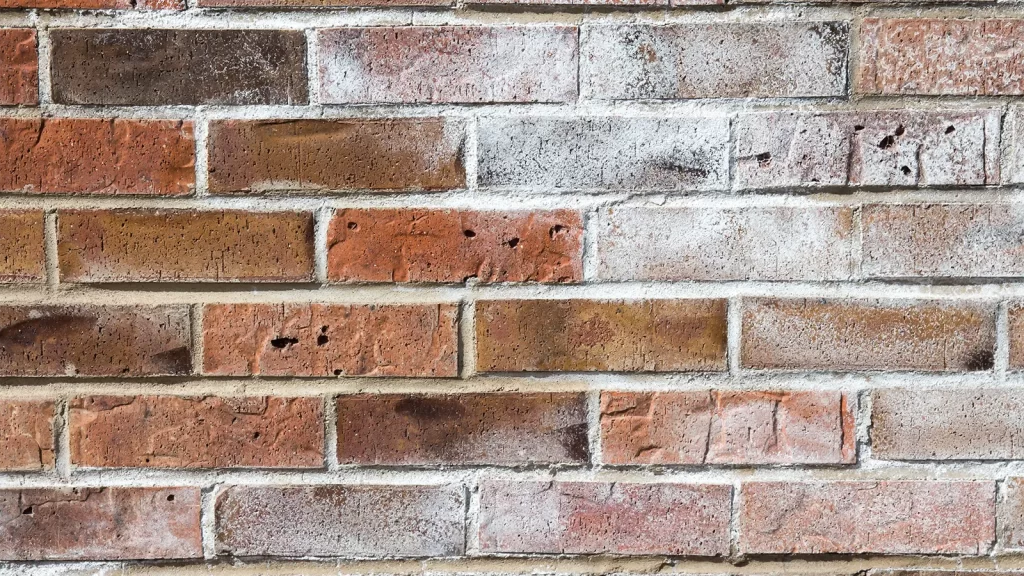
White powdery residue on brick surfaces is called efflorescence. While it may look like a cosmetic issue, it is actually a sign that moisture is moving through the masonry.
As water travels through the brick, it carries salts to the surface. When the water evaporates, those salts remain behind as white deposits.
Persistent moisture inside the masonry can weaken both bricks and mortar over time. Addressing the source of the water intrusion is important for preventing long-term damage.
Brick Spalling or Surface Flaking
Brick spalling occurs when the outer surface of the brick begins to chip, flake, or peel away. This damage is often caused by trapped moisture that freezes within the brick.
As the water expands during freezing temperatures, it forces the surface layers of the brick outward. Eventually, pieces of the brick begin to break away.
Spalling bricks are a clear sign that the masonry is deteriorating and should be evaluated before the damage spreads.
When to Schedule a Porch Inspection
Brick porch problems rarely appear overnight. Most structural issues develop gradually as moisture, weather, and time begin to weaken the masonry.
Addressing these warning signs early allows repairs to focus on stabilizing the structure instead of rebuilding it entirely. In many cases, problems such as mortar deterioration or loose bricks can be corrected before the damage affects the entire porch.
At N&M Restoration, we inspect brick porches to identify the underlying cause of structural issues and recommend repairs that restore both safety and appearance.
If you notice cracking, loose bricks, or uneven surfaces, scheduling an inspection can help determine the best solution before the problem worsens. Schedule one today!