
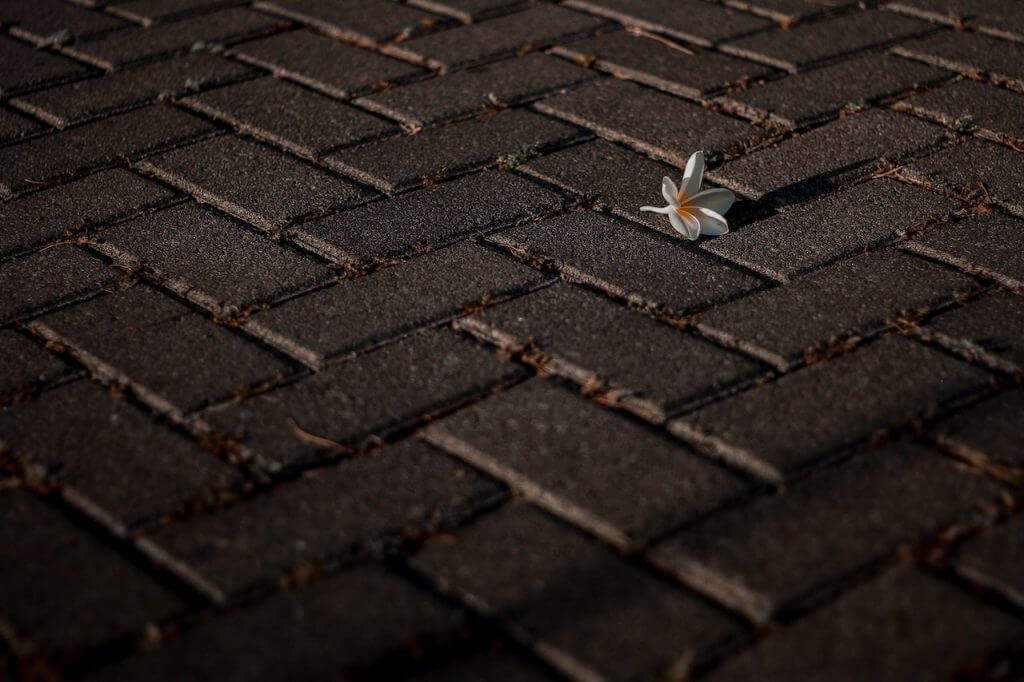
Comparing Two Popular Options for Driveways, Patios, and Walkways
Choosing the right option comes down to how you plan to use the space, how much maintenance you are comfortable with, and how well the material will hold up through freeze-thaw cycles.
Understanding the differences between brick pavers and poured concrete can help you make the right decision before committing to a project.
Durability and Performance in Michigan Weather
Michigan weather plays a major role in how exterior surfaces perform. Freeze-thaw cycles cause the ground to expand and contract throughout the year, which can stress any surface installed above it.
Brick pavers handle this movement well because they are installed as individual units. If the ground shifts slightly, the pavers can adjust without cracking. Even if a section becomes uneven, it can usually be repaired by lifting and resetting the affected area.
Poured concrete, on the other hand, is a single solid slab. While it is strong, it does not flex with ground movement. Over time, this can lead to cracks. Once a slab cracks, repairs are often more noticeable and sometimes require partial or full replacement.
Appearance and Design Flexibility
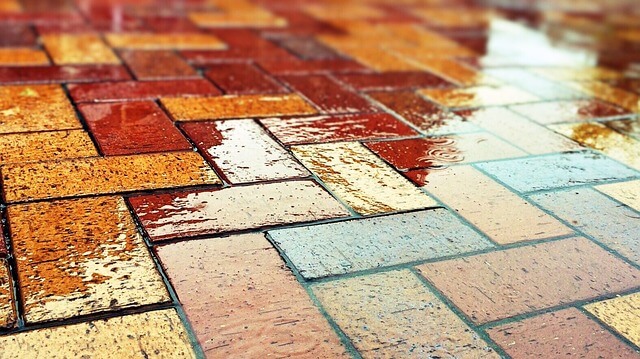
Brick pavers offer a high level of design flexibility. They come in different shapes, colors, and patterns, allowing homeowners to create custom layouts that match their home’s style. Paver installations can add texture and visual interest to outdoor spaces.
Poured concrete provides a cleaner and more uniform appearance. It works well for modern or minimal designs where a smooth surface is preferred. While decorative finishes are available, they are typically more limited compared to pavers.
If appearance and customization are a priority, brick pavers usually provide more options.
Maintenance and Repairs
Maintenance is another important factor when choosing between these materials.
Brick pavers require occasional upkeep. Joint sand may need to be replenished, and sealing can help protect the surface. However, one major advantage is repairability. If damage occurs, individual pavers can be removed and replaced without affecting the rest of the surface.
Poured concrete requires less routine maintenance, but repairs are more difficult. Cracks can be sealed, but they often remain visible. If sections of the slab fail, replacement may be the only long-term solution.
For homeowners who want easier repairs over time, pavers offer more flexibility.
Cost and Long-Term Value
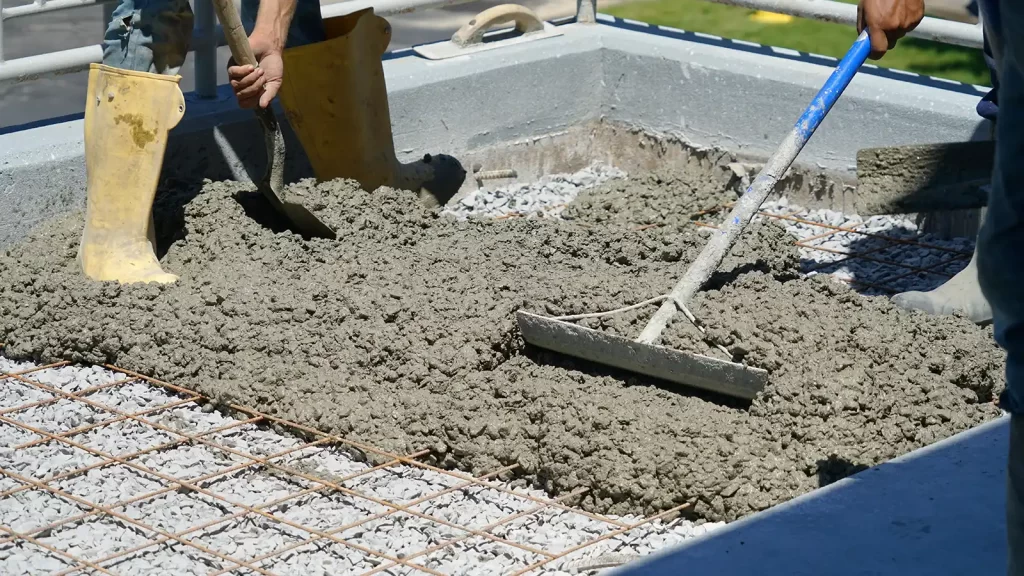
Initial cost often plays a role in the decision. Poured concrete is typically less expensive upfront, making it a popular choice for larger areas like driveways.
Brick pavers usually cost more at the start due to materials and labor. However, they can provide better long-term value because repairs are easier and less invasive.
Over time, maintenance and repair costs can balance out the initial price difference, depending on how each surface performs.
Which Option Is Right for Your Home?
The best choice depends on your priorities.
If you want a cost-effective, clean, and straightforward surface, poured concrete is a strong option. It works well for homeowners who prefer a simple look and lower upfront cost.
If you value design flexibility, easier repairs, and long-term adaptability, brick pavers may be the better choice. They perform especially well in areas where ground movement is common.
At N&M Restoration, we help homeowners evaluate their property, usage needs, and long-term goals before recommending a solution. Both materials can perform well when installed correctly. The key is choosing the right option for your specific situation.
If you are considering a new patio, driveway, or walkway, a professional consultation can help you make a confident decision. Schedule one today!